
 EN
EN HU
HU SK
SK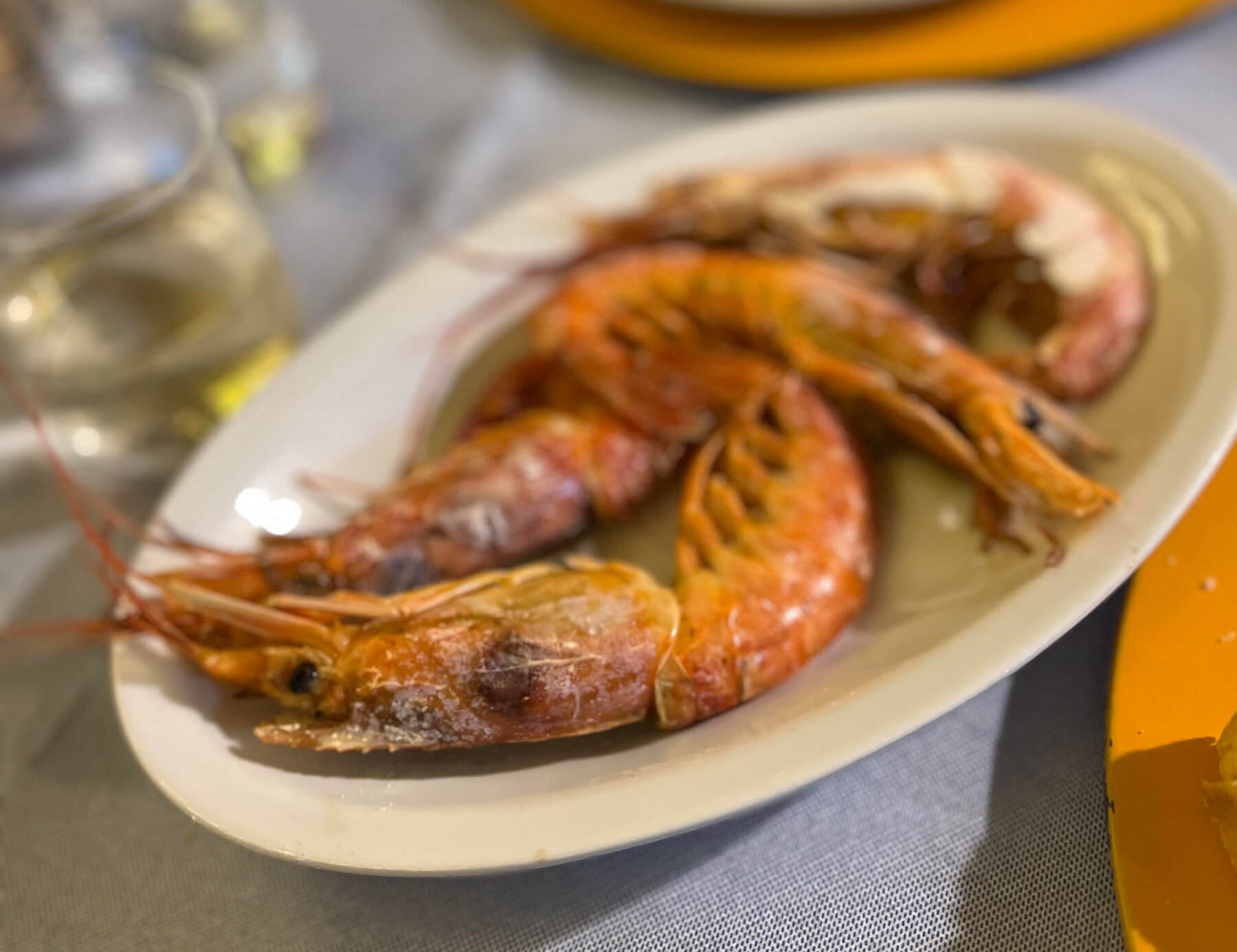
Of course, this is not only true for sauvignon wine, as every special wine deserves a tasting. In this article, however, we will go a little deeper into this wine, which is a representative of freshness and elegance.
It’s one of the best known grape varieties in the wine world, which means there’s not a single person who hasn’t heard of it. Its fruity character makes it irresistible and inimitable. And what really sets it apart from other varieties are its unique and intense aromas, complemented by lively and vibrant flavours.
Join us and we’ll show you everything you need to know about sauvignon wine. And if you want to know about our other wines, you’ll find lots of information about them in our blog articles.
A look back at the history of sauvignon wine
Each grape variety has its own story to tell, so each bottle can “tell” the story behind the wine. When it comes to sauvignon wine, you have to think of deep roots that have left their mark on wine regions around the world. France is the birthplace of this sophisticated flavour, which is best known in the Loire Valley and the Bordeaux region.
It is the basis for the best quality white wines, especially in the Loire Valley, which is reflected in its famous mineral character. In the Bordeaux region, it has often been blended with other grape varieties, resulting in much richer and more complex wines.
In New Zealand, a whole new style has taken off, with Marlborough wines becoming the most popular. It is characterised by its fruity and intense flavours. It is found in the repertoire of wineries around the world, meaning that each region adds a unique character to this precious drink.
An amazing diversity of flavours
In our article on gourmet events, we also talk a lot about the harmony of flavours, which is well worth a read. On the one hand, because every wine has its own characteristics, and on the other hand, because the right wine can be the perfect accompaniment to your dinner. We have already mentioned that the flavour varies from region to region, which makes local winemakers stand out from the rest.
In terms of diversity, it is important to stress that this is due to both the use of oenological techniques and the growing conditions. What can be observed in all the bottles is that the lively acidity gives the finished wine an amazing freshness.
For example, in cooler climates, citrus and green notes are more predominant, while grapes grown in warmer climates have flavours reminiscent of tropical fruits. All these conditions contribute to the final result, which is easily recognisable even in fuller-bodied drinks. Barrel ageing can add an additional vanilla aroma to the final taste.
Consumption tips to make the perfect food pairing
It is precisely its versatility that makes it the best choice, because it can create a harmonious balance between different types of food. Its citrusy character goes well with seafood, making it the perfect accompaniment to oysters, mussels and grilled fish dishes.
You can also have a glass with appetisers, as it creates a fantastic flavour orgy with salads and goat’s cheese. The ideal drinking temperature is between 8-12°C, which allows every drop of wine to develop its full flavour. And for the true connoisseur, the right glass also makes a big difference, as it allows the flavours and complex aromas to come through more fully.
It’s worth a look around our website, because sauvignon wine is not the only speciality we have.