
 EN
EN HU
HU SK
SK
Your basket
| Product | Details | Total |
|---|---|---|
|
Save
|
| Attributes | Value |
|---|---|
| Alcohol | |
| Variety | |
| Style | |
| Storage | |
| Recommended with this | |
| Vintage | |
| Country | |
| Serving temperature |
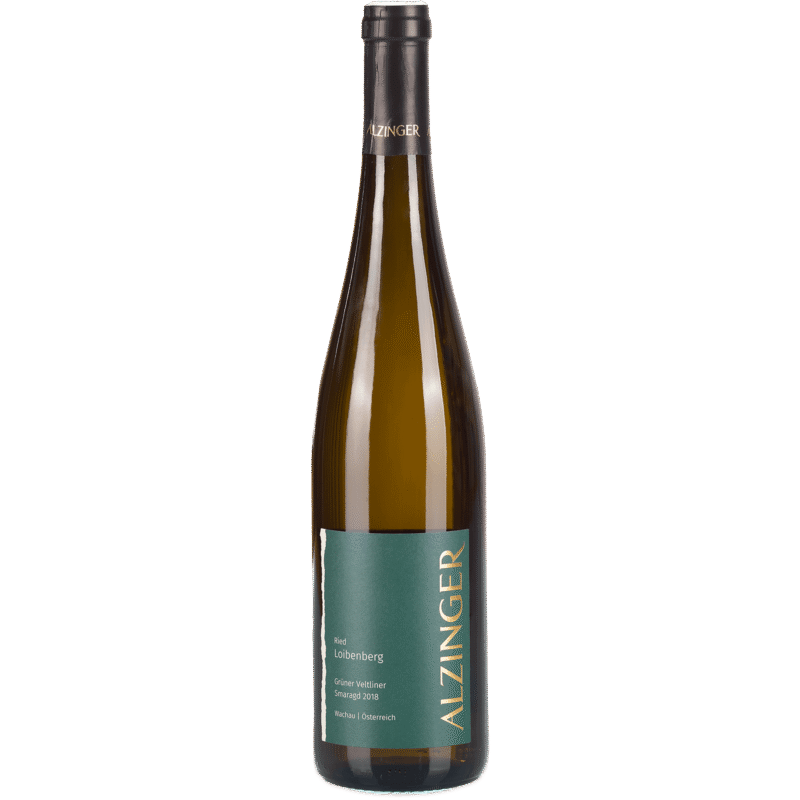
The GV Grüner Veltliner 2024 is a fresh, lively Austrian white wine from Burgenland, the world’s best-known Grüner Veltliner growing region, and an excellent choice for light meals, salads or as an aperitif.
Bizonytalan a választásban?
Beszéljen szakértőnkkel – segítünk!
Austria’s wine-making cradle is Burgenland, home to the world-conquering Grüner Veltliner. 75% of the world’s Grüner Veltliner comes from this region.
Winemaking is not new in this region. The history of wine dates back to 700 BC, and there have been many groups of people involved in viticulture in the region. Celtic and Roman, as evidenced by the remains of grape seeds in a vat discovered during excavations. Burgenland’s viticulture flourished during the Habsburg period, when the area was part of the Kingdom of Hungary, but during the Ottoman occupation, Tokaji was difficult to obtain in the empire.
The Grüner Veltliner grape variety plays a prominent role in the local wine industry, as it is one of the most popular and best-known wine-making grape varieties in the region.
The noble families, such as the Esterházys, also did much for the local wine industry. It would be difficult to list how many castles and chateaux were built thanks to their generosity. The Esterházy Castle in Kismarton is the most important architectural monument in Burgenland. It is a baroque palace built between 1663 and 1672 from an existing medieval Gothic castle by Count Paul Esterházy. Underneath the building is a wine cellar, from which even then the finest wines were produced.
Burgenland’s wine regions benefit from the continental climate of the Carpathian Basin. With its excellent soil, dry, warm climate and humidity controlled by Lake Fertő, the 15,000 hectares of wine-growing land provide ideal conditions for viticulture, especially for green veltelin. Wine-growing in Burgenland is essentially artisanal, with a relatively small area available for cultivation per producer, averaging 22,3 hectares.
The Austrian variety is probably named after the green colour of its eyes even when ripe, and the green colour of its must. The long name has also been given a catchy English abbreviation, as Anglo-Saxon countries are unable to pronounce the name of the wine. So they christened it GV, GruVe. GruVe, pronounced groovy, means ‘cool, cool’.
It makes very exciting wines, and this is no different with Borsuttogó’s own wine.
Medium-bodied, dry white wine. Pale green colour with golden yellow tones. The wine has a pleasant bouquet and aroma, with a lively and elegant acidity that is very lush and its characteristic power explodes in the mouth. Rich in texture, the aromas and flavours range from citrus (lime, grapefruit) to yellow apple and white-fleshed peach, tropical fruit (mango, pineapple), with herbal-spicy overtones such as lemongrass and white pepper, meadow floral aromas and biscuit-creamy notes. Reflecting all the virtues of the area and its potential
A must for light wine lovers, it is a real treat on its own, but with asparagus roasted in a tube, it will be the perfect choice. The pairing of wine and Japanese cuisine may seem a little odd at first, but it can offer some really serious flavour combinations, enhancing the dish and making it memorable, so feel free to try it with sushi. It’s a great accompaniment to a variety of fish, seafood and salads, but it’s also an exciting accompaniment to a traditional béchamel sauce.
Elegance, refinement, power and fine minerality. A real treat for lovers of green Valtellini.
There are no reviews yet. Only logged in customers who have purchased this product may leave a review. Log in
Fedezze fel legújabb termékeinket!

Ismerje meg borkereskedésünket!
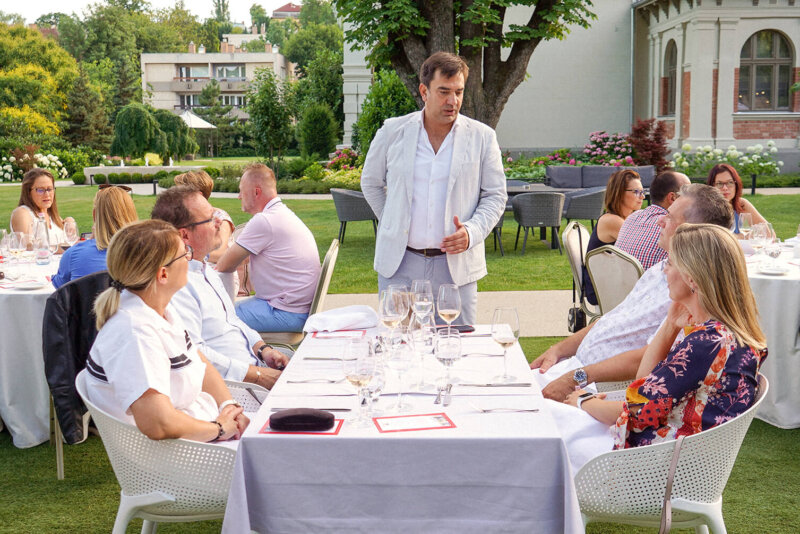
Érdemes részt venni borestjeinken!