
 EN
EN HU
HU SK
SK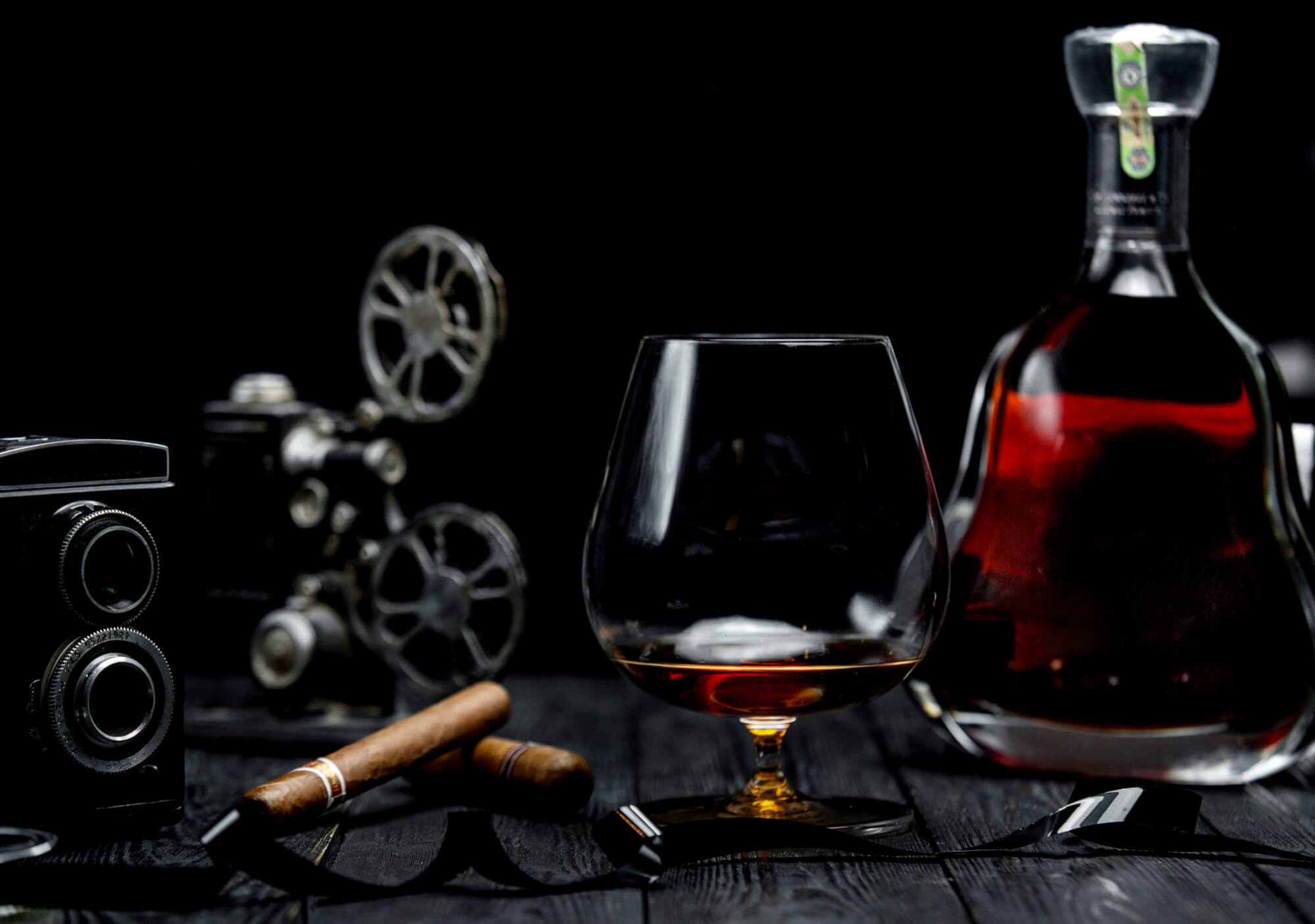
When it comes to cognacs and brandy, many people don’t know the difference between the two, as they are both wine spirits. Well, actually all brandy is brandy, but not all brandy is cognac, although it’s a bit more complicated than that.
The history of brandy
Mankind has been making wine spirits for a long, long time, and today we call them brandies. Under EU rules, only a drink made from grape spirit can be called brandy, while in the US, other fruit wines can be used as a base. This often makes it difficult to understand, and there are many mistranslations, with the word cognac sometimes being used as a synonym, quite incorrectly.
Konyak, brandy – not synonyms
Cognac is a type of brandy, an amber-coloured alcoholic beverage produced in France in the Charente and Charente-Maritime wine regions surrounding the city of Cognac, mainly from ugni blanc grapes. Such specialities have also found a place in our Cognac range.
The use of the name Cognac is protected by French law, and the AOC, which is the name of the controlled designation of origin, is intended to do just that. There are three main requirements, one being that it must be made from a specific grape variety, such as ugni blanc. The second is that it must be distilled twice in copper stills. Thirdly, that it must be aged in oak barrels for at least two years.
Maturation and flavour
This Godet VS Classic Cognac is bottled after four years of oak aging and double distillation. It has vanilla aromas, pear and other yellow fruit notes. But how is cognac made?
The first step in making cognac is the planting of the vineyards, which takes place in the spring. For optimal results, the young plots require meticulous care and attention to irrigation, weeding, staking and protection against rabbits. When the vines are well developed, they are ready for cultivation.
Harvesting, which is mainly done by machine, usually starts in mid-September and lasts until mid-October, and the grapes are pressed immediately after harvesting. The must’s low alcohol content and high acidity allow for a good concentration of aromas, and it is important that the addition of sugar and sulphite during fermentation is strictly forbidden, to ensure that the fruitiness of the grapes is preserved.
Double distillation is carried out, the first resulting in brouillis, the first spirit, and the second resulting in cognac, with distillation to be completed by 31 March of the year following the harvest.
Once the spirit comes out of the still, it is transferred to oak barrels where it matures for several years, developing its colour, aroma and flavour. The origin of the oak, the type of grains, the humidity in the cellar and the age of the barrels all offer great opportunities for the cellar master to achieve the desired spirit. Prolonged ageing produces a rich, concentrated spirit with good aromas and distinctive flavours such as autumn forest floor, mushrooms and walnut oil.
Once the ageing is complete, the mixing can begin, an ancient tradition not covered by any regulations, but a crucial moment for the miracle to happen. The cellar masters compose a delicate blend of spirits of different ages and origins to create the cognac itself.
It is a very versatile drink, for example, it is usually consumed neat during an aperitif, but adding a drop of water or an ice cube reveals more fruity, floral and spicy aromas. Cognac can also be served ice-cold, which goes particularly well with seafood. Whether you’re looking for quality cognac, wine or champagne, we have a unique range to offer in our online shop!