
 EN
EN HU
HU SK
SK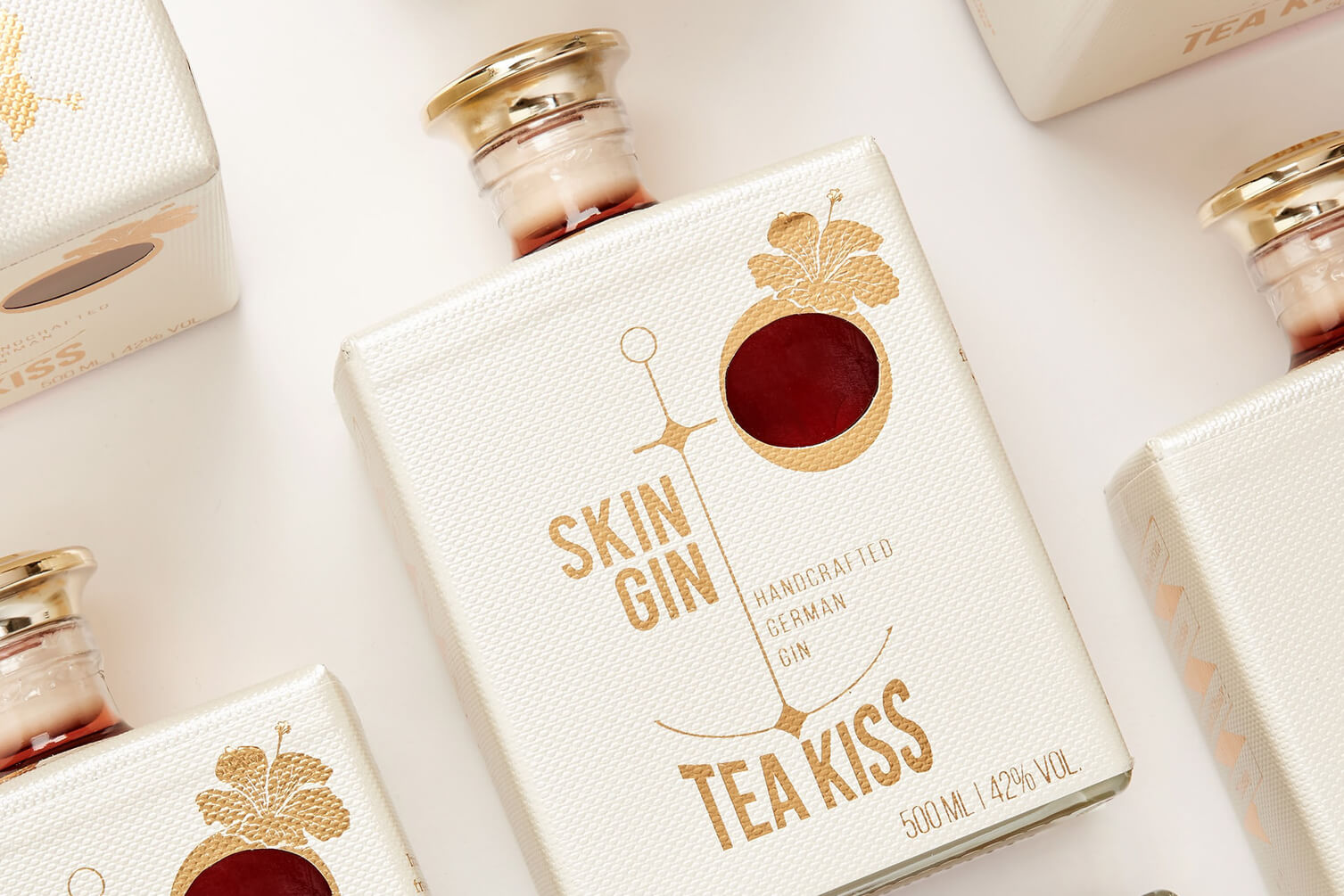
The composition of gin is both generic and varied: it is usually based on some kind of grain spirit and juniper berries. However, it is also flavoured with a variety of spices, which really defines the character of the drink.
The varied gin
Gin is another spirit with a long history, and it has changed a lot over the years. Today, there are countless variations and many different ways of making it, mainly because the production process is less strictly regulated than, for example, whisky.
Our range of distillates includes high quality gins, which are great not only in cocktails but also on their own.
The composition of gin
To get to know this great drink, it’s worth taking a look at what it’s made of and how it’s made. To obtain a good quality gin, the 96% spirit must be steamed with the plants that will be the main flavouring agents. Co-steaming means either steeping the herbs and fruits that provide the flavouring, or hanging them over the boiling spirit.
The alcohol is typically an unmalted, grain-based distilled etalon, which so far is very similar to vodka. The main differences are the flavouring fruits and spices that appear in the gin’s composition and the second distillation during production. It is during the second distillation that the drink gets its spices, which will eventually give it its distinctive flavour.
What spices make gin special?
Much has already been said about flavourings, but it’s time to name them.
The main ingredient used to stew the spirit is juniper berries. Other spices may be added or, in newer processes, juniper may be replaced by other fruits.
Meet the Budapest Edition Gin, uniquely available only at Borsuttogó! This handcrafted dry gin owes its sublime flavour to the unique blend of spices. The careful selection of seven botanicals results in an unrivalled fresh and crisp taste. Moroccan mint, juniper, orange and pink grapefruit, lime, lemon and coriander distilled separately create a pleasing harmony.
Methods of distillation
In order for the gin’s composition to be at its highest possible level, several distillation methods have evolved.
In soaking distillation, juniper and other plants are soaked in grain spirit and distillation is started either immediately or after a longer soaking period of up to 48 hours.
Steam-infusion distillation is a more modern process where the plant ingredients do not come into contact with the still at all. They are placed in baskets and, during the distillation of the ethanol, the steam passing through them releases their volatile compounds, which flavour the finished gin. The latter method is much more sophisticated than soaking distillation.
There is another way to make gin, and that is to combine the two processes. For example, London Dry Gins are traditionally made by the steeping method, but, especially nowadays, two or more types of gin are often made by different methods and then blended.
Alcohol content of gin
When we talk about the composition of gin, we must also talk about its alcohol content, as this is another fundamental factor that determines the character of the drink.
By the end of the double distillation process, the alcohol content is typically around 70%, which the master distillers dilute with clean water, often spring water. The bottle is then filled with a minimum of 37%, or 40% in the US.
The gins we offer at Borsuttogó have an alcohol content of 42%.