
 EN
EN HU
HU SK
SK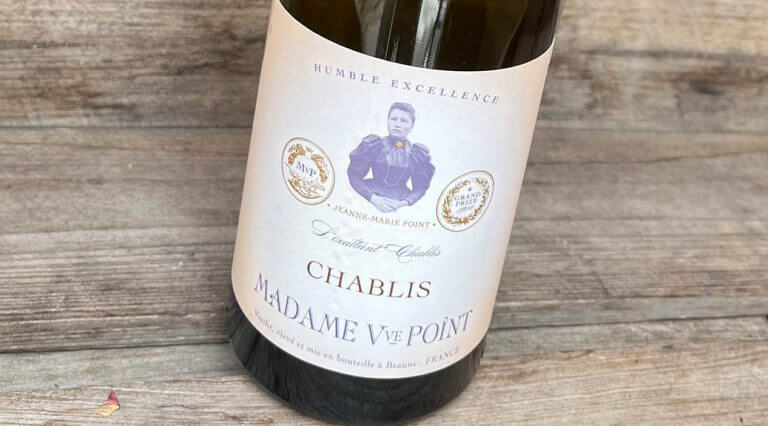
French chardonnays (chablis) are a very popular white wine all over the world. It is also grown in many places, mostly with great success. As a result, chardonnay has become extremely diverse and varied.
Demand for French chardonnays (chablis) is steadily increasing, partly due to positive feedback from wine lovers. The diversity of chardonnay allows it to appeal to consumers with different tastes, whether they are looking for a light summer wine or prefer a fuller-bodied, aged white wine.
The flavour of chardonnay
The diversity of grape varieties allows winemakers to produce wines in different styles. For example, in cooler climates such as Chablis, wines tend to be fresher and more acidic, while warmer places such as California produce wines with a fuller body and richer flavour profile. This diversity offers exciting possibilities for all wine lovers.
When growing chardonnay, winemakers use a variety of techniques to bring out the classic flavours. Aging in oak barrels can add special vanilla and caramel notes to the wine, which enrich the taste experience. Most French chardonnays are aged in oak barrels, which adds complexity to the wine, while in other countries, such as New Zealand, they aim to preserve freshness.
The chardonnay grape variety is a unique accompaniment to a variety of dishes. French chardonnays, especially Chablis, are a perfect match with seafood and light meat dishes such as grilled chicken or fish dishes. The wine’s acidity and freshness are a great counterbalance to the flavours of heavier, fatter dishes, making for a harmonious pairing.
Chablis wineries, like Madame Veuve Point ‘s, not only focus on quality, but also on sustainability. The proliferation of organic and biodynamic viticulture methods allows producers to promote environmentally conscious winemaking, which is becoming increasingly attractive to modern consumers.
The winemaking process of chardonnay is also exciting, as winemakers can use different techniques during ageing and fermentation. For example, the process of malic acid/acetic acid fermentation can make the wine smoother and creamier, which gives the consumer a special experience.
The global popularity of French chardonnay
The success of French chardonnay can be observed worldwide. In the United States, Australia and South Africa, more and more wine lovers are choosing this variety, which is boosting demand. Different climates and soil types are creating new flavour notes, allowing winemakers to experiment and develop new styles from the already well-known chardonnay base.
Chardonnay has an extremely rich and varied flavour, which is enhanced by the different growing sites and winemaking techniques. These wines can be fruity, floral and mineral at the same time. The fruity notes include green apple, pear and even melon, while the floral aromas are often reminiscent of white flowers such as jasmine and rose. And mineral nuances often bring with them the flavours of rocks and earth from the wine’s birthplace.
Final thoughts on French chardonnay
French chardonnay is not just a wine, it is an experience that connects wine lovers with the beautiful French countryside and the traditional art of winemaking. Whether for an elegant dinner or a gathering of friends, chardonnay is always the perfect choice, offering a rich taste experience and cultural background. French chardonnays (chablis) are a true treasure of the wine world and will continue to surprise wine lovers in the future.
Chardonnay is popular not only among wine connoisseurs but also among wine lovers. Because of the richness of flavours and aromas, many people discover the differences between different chardonnays, which are determined by the region, the ageing methods and the style of viticulture. Chardonnay tastings offer an exciting journey through the world of wine, giving you the opportunity to explore different flavour profiles.
Characteristics of French chardonnays (chablis)
Don’t forget to explore the offer of Borsuttogó, where you will find the best French chardonnays and immerse yourself in the wonderful world of winemaking!
This grape variety and the wine made from it come from the commune of Chardonnay in France. It is from here that it set out on its world tour to impress us wine lovers.
The grapes are small, round and whitish-green. Thick skins and crunchiness characterise the juicy berries. It flowers early and typically ripens in September. Although it is not a prolific producer, it is a reliable variety and has a high and balanced sugar content. Frost tolerance is medium. All these qualities have led to its cultivation in wine producing countries around the world.
It owes its worldwide success to Burgundy, where this white grape is the only one grown alongside the many varieties of blue grapes. Chardonnay is also an important grape in Champagne, but it is grown not only here but also in many other parts of the world for its use in champagne. The Blanc de Blanc designation on Champagne wines means that the drink is made entirely from chardonnay.
What does chardonnay have to do with chablis? Although the grapes and white wines grown in the Chablis area are called chablis after the town, they all refer to chardonnay.
Perhaps no more proof is needed that chardonnay is a very diverse and varied variety, with a neutral character that reflects the characteristics of the area and the way it is made. It is typically aged in oak barrels in Burgundy, Australia and California, while it is aged without oak barrels in Chablis, New Zealand and Chile.
The origins of chardonnay
The origin of the grape variety goes back to very ancient times. DNA tests have been carried out to try to unravel the mystery of how it came about, but we can’t be absolutely sure. What is likely, however, is that it is a cross between pinot noir and a variety from what is now Croatia.
It is difficult to distinguish from sauvignon blanc or pinot grigio. The most common clue to the differences is that chardonnay has no vegetal notes and that its acidity remains moderate even in colder regions.
Chablis Blanc from Madame Veuve Point
Among the French chardonnays (chablis), the Chablis Blanc from Madame Veuve Point Winery also stands out. Located near Auxerre, the Chablis Longe vineyard has been able to maintain its reputation throughout its long history, up to the present day.
Chablis Blanc is of course made from 100% chardonnay. This rather dry white wine has a pale golden colour with a greenish reflection. Its light appearance is complemented by a perfect balance, to dazzle the taster with its freshness and long finish. Its elegant verve comes from the mineral notes of the region and the characteristic flavours of green apple and lemon.
As with other chardonnays, it is recommended to drink chilled at 10-11 degrees. It is an excellent accompaniment to poultry and veal dishes, spicy dishes or fish dishes with sauce. It is also an excellent accompaniment to goat’s cheese or seafood dishes.
In addition to the wines of Madame Veuve Point Winery, Borsuttogó also offers other elegant chardonnays.